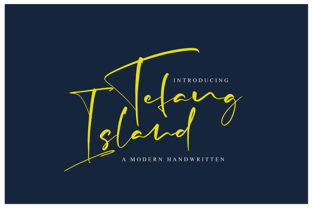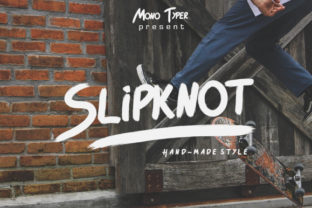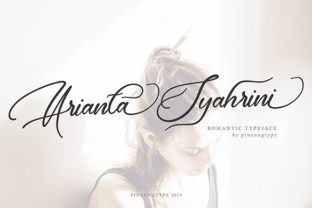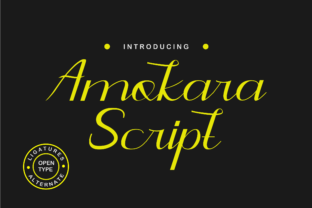
Tropical Font: A Handmade Typeface
There I was, tracing the edge of a candle label with a pencil, trying to find the perfect font that felt both elegant and playful. That’s when I discovered Tropical—a handmade calligraphic typeface that brought a fresh, modern twist to classic script. It wasn’t just a font; it felt like a companion for my creative process.
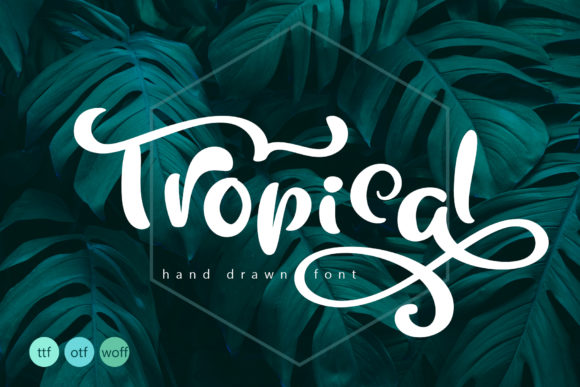
What makes Tropical stand out is its balance between traditional calligraphy and contemporary design. The flowing strokes and subtle swashes give it a soft, inviting feel, while the clean lines keep it versatile. It’s the kind of font that can make a simple label feel special or turn a basic card into a work of art.
Using Tropical in Handmade Projects
I started by testing it on a set of seasonal greeting cards. The font added a warm, handwritten charm that made each card feel personal. For a birthday invitation, I paired it with a bold sans serif for contrast, letting the script shine as the headline. It worked beautifully, giving the design a cohesive yet dynamic look.
On a farmhouse sign, Tropical brought a rustic elegance. I used it for a "Welcome" board, and the way the letters curved and connected gave the piece a handcrafted feel. It was perfect for adding a touch of personality to home decor without being too flashy.
For a wedding stationery project, I used Tropical on the welcome board and menu cards. The font’s fluidity complemented the event’s theme, and the alternates and ligatures helped me create unique variations that felt custom-made.
Practical Tips for Using Tropical
When working with cutting machines like Cricut or Silhouette, I found that Tropical works best for short phrases and decorative text. It’s not ideal for long paragraphs, but for titles, names, or labels, it shines. I always check the file formats and licensing before using it for commercial projects, making sure I have the right to sell printed items or digital downloads.
For product labels, I recommend using a larger size to ensure readability. On small stickers, the font still holds up well, especially if you choose a simpler style. When designing mockups, I pair Tropical with a clean sans serif to create visual balance, letting the script take center stage without overwhelming the layout.
When creating printable wall art or digital templates, I use Tropical for headings and decorative elements. It adds a touch of sophistication that elevates the overall design. I also enjoy experimenting with different color combinations, as the font looks great in both pastel and bold hues.
Real-World Applications
Tropical has become a go-to font for my boutique packaging. Whether it’s a gift box or a reusable tote bag, the font adds a refined, handmade quality. I’ve used it on holiday tags, seasonal signs, and even on mugs, where it adds a personal touch without being too ornate.
For a printable planner page, I used Tropical for section headers and decorative accents. It gave the pages a cohesive look that felt both professional and creative. I also tested it on a set of sticker sheets, where it worked well for labels, quotes, and small illustrations.
One of my favorite uses is on wedding invitations. The font’s elegance pairs perfectly with floral designs and soft color palettes. I’ve used it for save-the-date cards, ceremony programs, and reception menus, each time adjusting the spacing and size to fit the design.
Font Pairing and Design Considerations
When pairing Tropical with other fonts, I tend to go for a simple serif or a clean sans serif to keep the design balanced. It works well with both modern and vintage styles, making it a flexible choice for different projects.
I also pay attention to the font’s multilingual support, especially when creating products for international customers. The included styles and alternates allow for customization, helping me create unique designs that feel authentic and polished.
For shop branding, I use Tropical on website headers, social media graphics, and listing images. It helps establish a consistent visual identity that reflects the handmade nature of my products. The font’s warmth and character make it easy to recognize, which is important for building customer trust.
Overall, Tropical has become an essential part of my design toolkit. It’s more than just a font—it’s a way to add personality, creativity, and a touch of handmade charm to every project I work on.