Monkey Stone: A Bold, Organic Font for Creative Projects
There I was, staring at a blank brand board, trying to find the right tone for a new artisanal café. The client wanted something that felt handcrafted, approachable, and a little playful. After testing a few options, I stumbled on Monkey Stone. It wasn’t the first font I tried, but it was the one that made me sit up and take notice.
What Makes Monkey Stone Stand Out
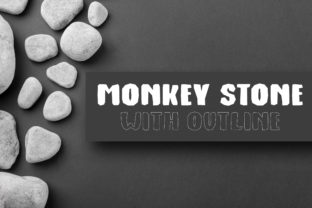
Monkey Stone is a sans serif font with a unique, organic feel. Its letterforms have a slightly irregular shape, as if they were carved by hand or drawn with a brush. This gives it a sense of movement and character that’s hard to replicate with more rigid typefaces. The weight is bold, which makes it ideal for headlines, logos, and display purposes.
The font has a warm, friendly personality. It doesn’t feel cold or clinical like some modern sans serifs. Instead, it feels like it belongs in a cozy café, a handmade shop, or a creative studio. Its charm comes from its imperfections—subtle variations in stroke thickness and slight asymmetry that make it feel more human.
Testing Monkey Stone in Real-World Branding
I used Monkey Stone in a variety of branding assets, from logo concepts to packaging mockups. On a logo draft, it added a strong visual presence without being too aggressive. It worked well as a headline font, giving the brand a clear identity while still feeling approachable.
On a packaging mockup for a small skincare line, it stood out against simpler text. The contrast between the bold, organic style and clean, minimal design elements created a nice balance. It also worked well on social media graphics, where it caught the eye without overwhelming the message.
For a business card, Monkey Stone had a striking presence. It was legible at a glance, but the texture of the letters gave it a tactile quality that felt more personal than a standard sans serif.
When Monkey Stone Shines
Monkey Stone excels in projects that benefit from a bold, expressive typeface. It’s perfect for logos, especially those that aim to convey creativity, craftsmanship, or a personal touch. It works well in editorial design, such as posters, flyers, and magazine layouts, where visual impact is key.
It also fits nicely in web design, particularly for hero sections or call-to-action buttons. Its weight and structure make it readable at larger sizes, and its personality adds a unique flair to digital interfaces.
In social media graphics, Monkey Stone can be a powerful tool for grabbing attention. It pairs well with simple backgrounds and clean imagery, allowing the font to take center stage without competing with other elements.
Limitations and Considerations
While Monkey Stone is great for display and headline use, it’s not ideal for long body text. At smaller sizes, the organic shapes can become less legible, making it unsuitable for anything beyond short phrases or titles.
It also may not be the best choice for formal or corporate branding. Its casual, handcrafted look might not align with the professional tone required for certain industries. In those cases, a more structured sans serif or serif font would be a better fit.
Another thing to keep in mind is font pairing. Monkey Stone works well with other bold, modern fonts, but it can sometimes clash with overly decorative or script styles. A clean, minimalist serif or another sans serif can help balance its energy without overpowering it.
Practical Tips for Using Monkey Stone
If you're considering using Monkey Stone in your work, start by testing it in different contexts. Try it on a logo concept, a packaging label, or a website header. See how it interacts with other design elements and whether it aligns with the brand’s personality.
Check the font’s available weights and styles. Some bold, organic fonts come with multiple variants that can add flexibility to your design. Also, make sure to review the licensing terms before using it in client projects or commercial applications.
Monkey Stone is a premium font that offers a distinctive look, but it’s important to use it thoughtfully. It’s not a one-size-fits-all solution, but when used correctly, it can add a fresh, dynamic energy to any design project.